4. Mughal Era: The Golden Age of Attar
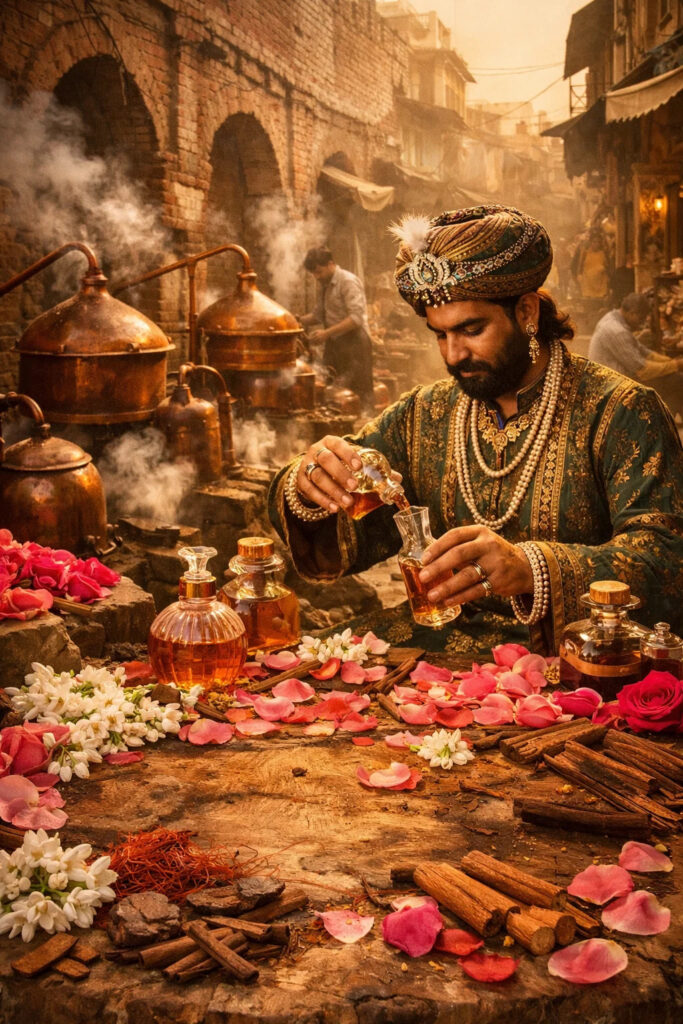
The Mughal period marked the peak of attar craftsmanship.
Emperors like:
patronized perfumers and introduced Persian techniques that refined Indian distillation.
Popular Mughal attars:
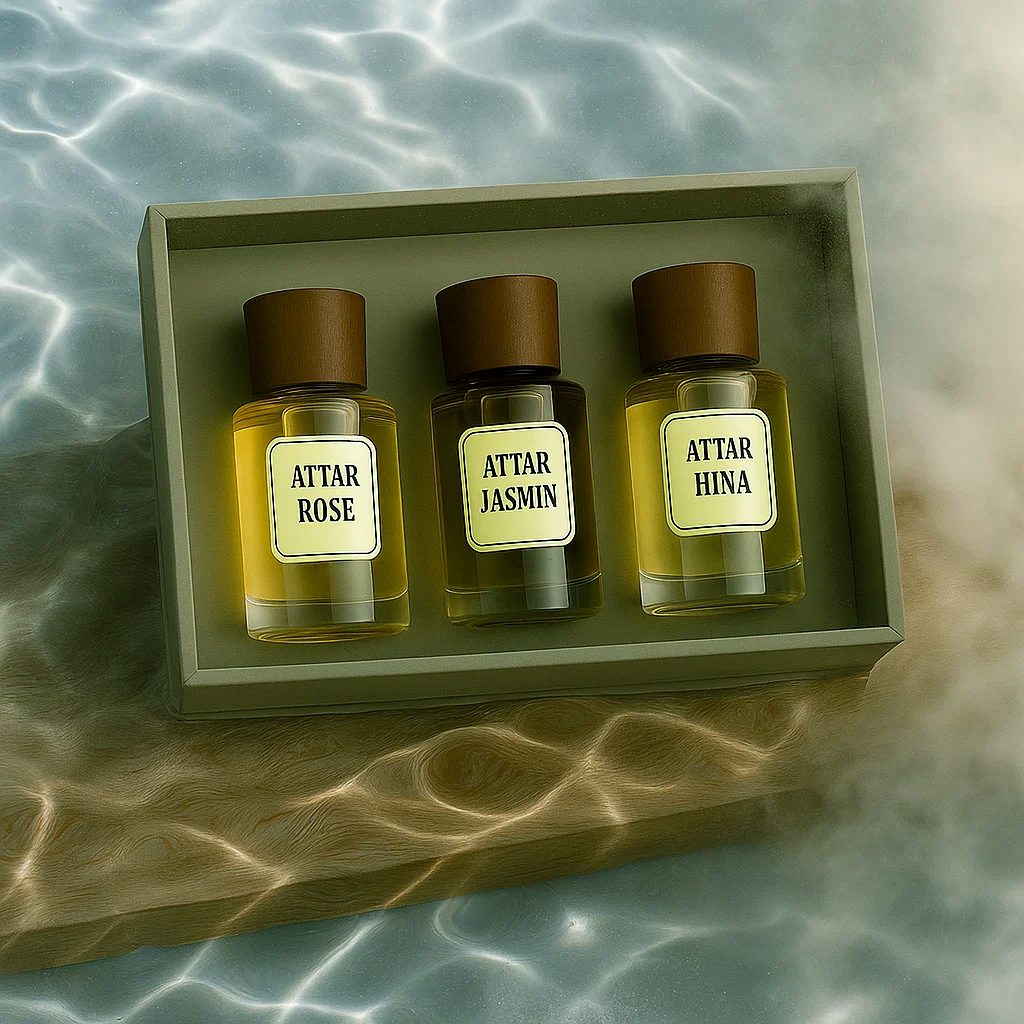
- Rose
- Kewda
- Musk
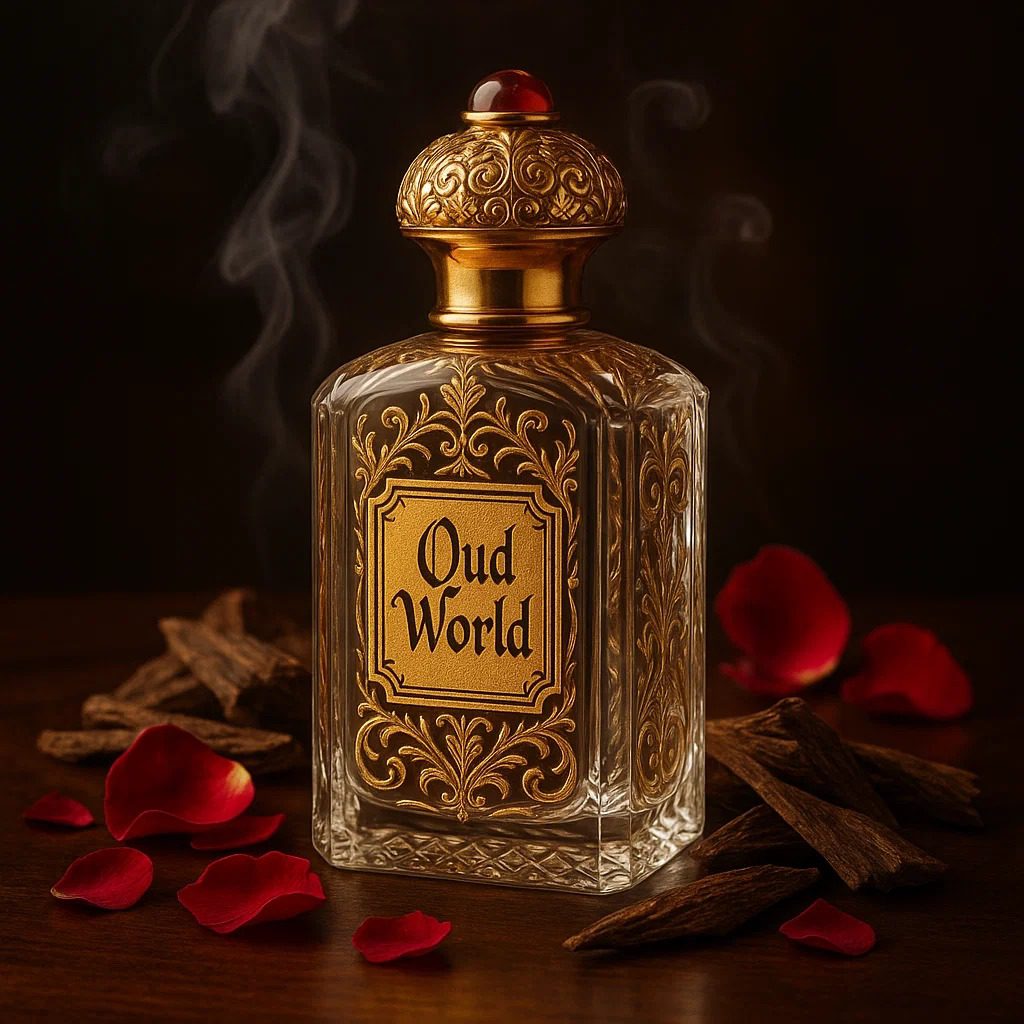
- Oud
- The Mughal influence shaped the global recognition of Indian attars.
5. Kannauj – The Perfume Capital of India
No discussion on the history of attar in India is complete without Kannauj, Uttar Pradesh.
Why Kannauj is special:
- 400+ years of perfumery heritage
- Home to traditional deg-bhapka method
- Natural water & soil ideal for flowers
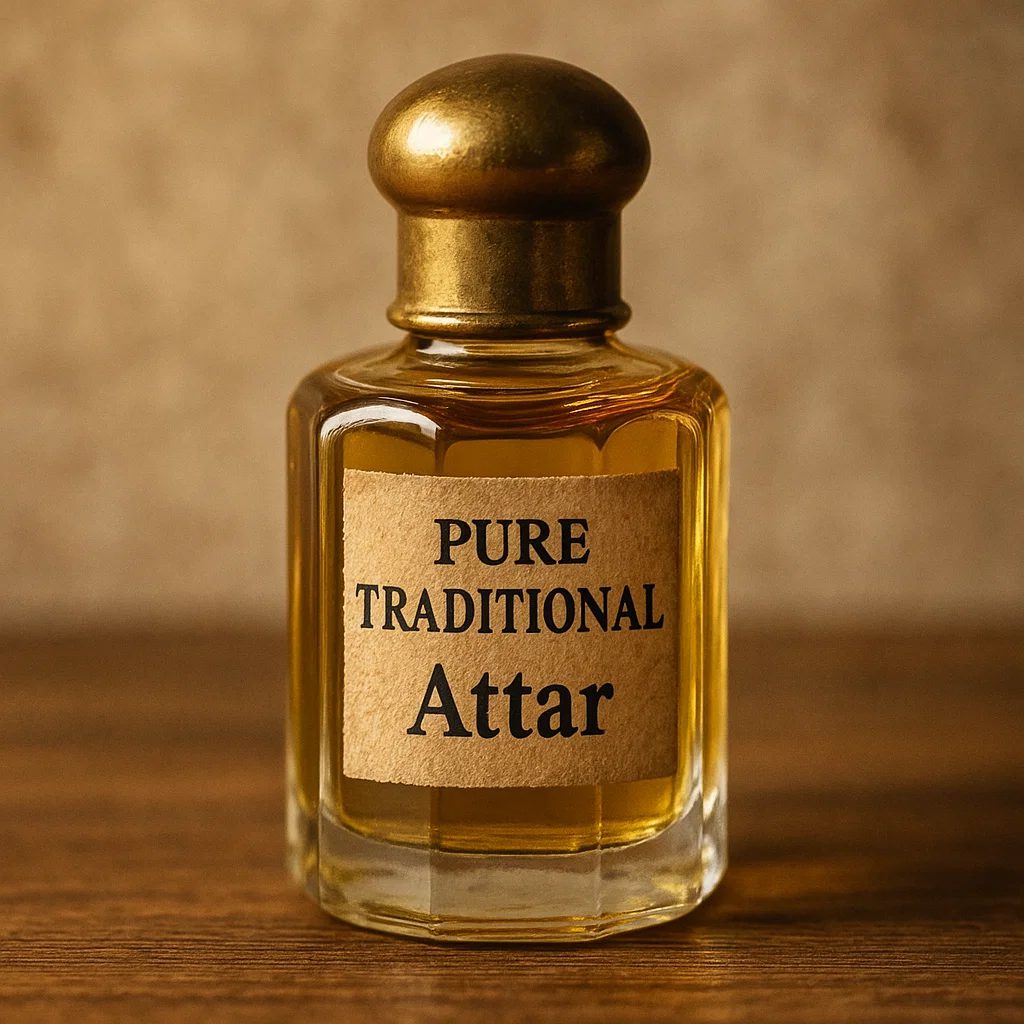
- Today, Kannauj supplies attars worldwide.
Explore authentic Kannauj attars:
Link: https://naturesperfumers.com
6. Attar in Religious & Cultural Traditions
Attars play an important role in:
- Islamic traditions (alcohol-free fragrance)
- Hindu rituals
- Sufi practices
- Attars symbolize:
- Purity
- Devotion
- Spiritual elegance
- This cultural relevance strengthens the history of attar in India.
7. Modern Revival of Indian Attars
With growing awareness of:
- Natural living
- Alcohol-free products
- Sustainable luxury
- Indian attars are witnessing a global comeback.
Luxury brands and niche perfumers now prefer:
- Oud-based attars
- Floral blends
- Custom perfume oils
8. Why Indian Attars Are Valued Globally
Indian attars are admired because they:
- Use natural ingredients
- Follow time-tested methods
- Offer superior longevity
Countries importing Indian attars include:
Link: https://en.wikipedia.org/wiki/Attar
9. Final Thoughts: Preserving the Legacy
The history of attar in India is not just about fragrance — it is about heritage, craftsmanship, and cultural pride.
By choosing authentic Kannauj attars, buyers help preserve a centuries-old tradition.
✨ Discover genuine Indian attars at Nature’s Essence Perfumers
👉 https://naturesperfumers.com